Reviews

Album review: Softcult – When A Flower Doesn’t Grow
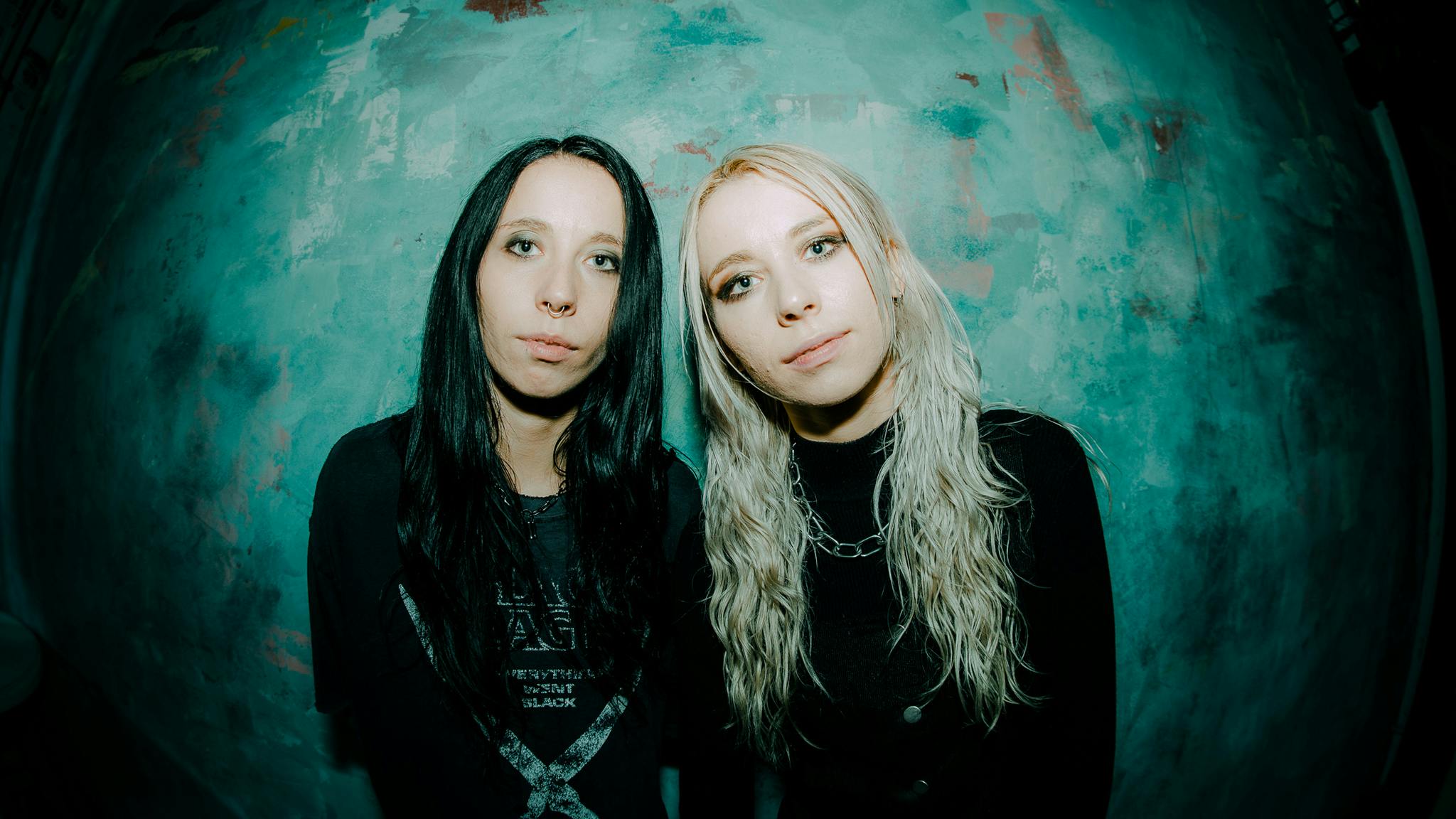
Canadian riotgazers Softcult channel their feminist rage into some of their most effective songwriting yet on cathartic debut, When A Flower Doesn’t Grow.
After unveiling its narrative arc with Pill To Swallow, Naive and latest single 16/25, Softcult have finally announced their debut album, When A Flower Doesn’t Grow. In an exclusive interview, the Canadian twin siblings explain why it represents a transformation from “radicalisation and realisation” towards empowerment – with a vital reminder that there’s always light at the end of the tunnel…
“I’ll be blunt,” declares Mercedes Arn-Horn. “The majority of the songs that were on the album, we weren’t really feeling them. Our label was dictating what would make the cut.”
Don’t panic – she’s not talking about Softcult’s debut album When A Flower Doesn’t Grow, announced today (September 4). Rather, Mercedes is referring to the very first time she put out a full-length with her twin sibling Phoenix, in their former pop-rock band Courage My Love. Ten years later, staunchly DIY and free from the shackles of a major label, Softcult’s second shot at debutism comes entirely on their terms.
Luckily for the duo, Dutch inspirational speaker Alexander den Heijer once coined a phrase that succinctly encompasses that narrative arc. “When a flower doesn’t bloom, you fix the environment in which it grows, not the flower,” recounts Mercedes. “We modified that saying and left the rest unsaid.”
As its concept is narrated over their quintessential mix of ’90s grunge, heavy shoegaze, atmospheric dream-pop and riot grrrl punk, this record showcases Softcult firing on all cylinders like never before. In an exclusive interview, Mercedes and Phoenix shed some light on their debut album and where new single 16/25 picks up the story…
How does this feeling compare to the first time you released a debut album with Courage My Love?
Phoenix Arn-Horn: “It’s cool getting to have a second chance at it, because not everyone gets to do that. This time around, we were a lot more intentional with things, and we had the chance to do it on our own terms.”
Mercedes Arn-Horn: “We had full creative control, and I feel so much more connected to it because of that. It is a good representation of who Phoenix and I are as artists. It does, in a lot of ways, feel like what it should have been the first time around.”
How did the concept of When A Flower Doesn’t Grow present itself to you, before translating into a fully-fledged record?
Mercedes: “The overall concept came to me when I was going through a really intense change in my life. I had been questioning my sexuality and a lot of facets of my life, ending a long-term relationship that I’d been in for 10 years and coming out of the closet. I was doing a lot of research online, trying to find answers, and this quote somehow came to me.
“It really stuck with me, because it summed up what I was going through at the time, but also the story of Phoenix and I as artists. When you realise that you are in an environment that is stifling you, the only way that you can continue to grow is if you leave that environment and really find yourself. It gave me a lot of hope, actually, because it was this moment of clarity.”
If the album covers that whole journey, what stage of the process were you trying to convey through the stillness of the artwork?
Phoenix: “Visually, that’s the best representation of feeling stifled by your environment, maybe something’s holding you back. That image of the flower being crushed, the fist is preventing it from being its natural self. We were trying to show that feeling of being held back or held down. The hand is actually my dad’s – he’s the only person I know that has really big hands. I’m like, ‘Dad, can you crush this bouquet?’”
Pill To Swallow, Naive and today’s single 16/25 have been released in the order that they’ll appear at the start of the album. Where are we up to in the story so far?
Mercedes: “I’m glad you asked that. Pill To Swallow is this realisation that we are in oppressive times, and sometimes you can really lose steam and the will to fight. You get burnt out, and it’s acknowledging that. Naive is that realisation… when you really trust a person or institutions that you were raised to always believe in. That glass-shattering moment when the scales fall from your eyes, and you realise that you were a little naive for trusting.
“16/25 is specifically about grooming and predatory behaviour. If the [listener] is the protagonist, they’re hearing everything that we have wanted to say to predatory older men. It’s also about getting within the psyche of someone like that, and pointing out double standards and impossible expectations that the patriarchy will place on young women in society. This cognitive dissonance that older men who prey on young female targets will perpetuate: possession; control; obsession.”
Does the narrative reach a clear conclusion by the end of the album?
Mercedes: “For us, there’s a clear line. Our story started from a pure, naive place and then [went] through the ringer. Being female-presenting and living in today’s world, but also being in the music industry, having some really oppressive and abusive situations happen to us.
“All of us reach this point where we become radicalised by those experiences. Somewhere in the album, you get to that point of radicalisation and realisation, and then you suddenly want to fight back against those oppressive systems and empower yourself. I promise, somewhere in there is this glimmer of hope, but right now, we’re still at what it takes to get there.”
Does that “radicalisation” explain why songs like Tired and Not Sorry are so furious and blunt?
Phoenix: “Tired is where the frustration reaches its peak and the listener becomes activated. Enough is enough. Not Sorry is like, ‘I’m not sorry for how I feel. I’m going to shed that guilt and those feelings of self-doubt.’ Even the last track, When A Flower Doesn’t Grow, is a culmination of all those feelings, realising I don’t have to accept my situation anymore. If I’m not growing in this soil, I’m gonna figure out a way to change that.”
Mercedes: “There is this internal metamorphosis that we’re hoping is clear in the album, but it starts from the perspective of someone who’s radicalised by traumatic experiences and then empowered by their own resilience. Ultimately, you reach a place of healing and blossom into the person that you’re always meant to be, and you’re breaking free from that oppressive environment.”
When A Flower Doesn’t Grow is released on January 30, 2026 via Easy Life Records. Softcult tour the UK this November.
Read this next: